
Note Value • Metre • Tempo
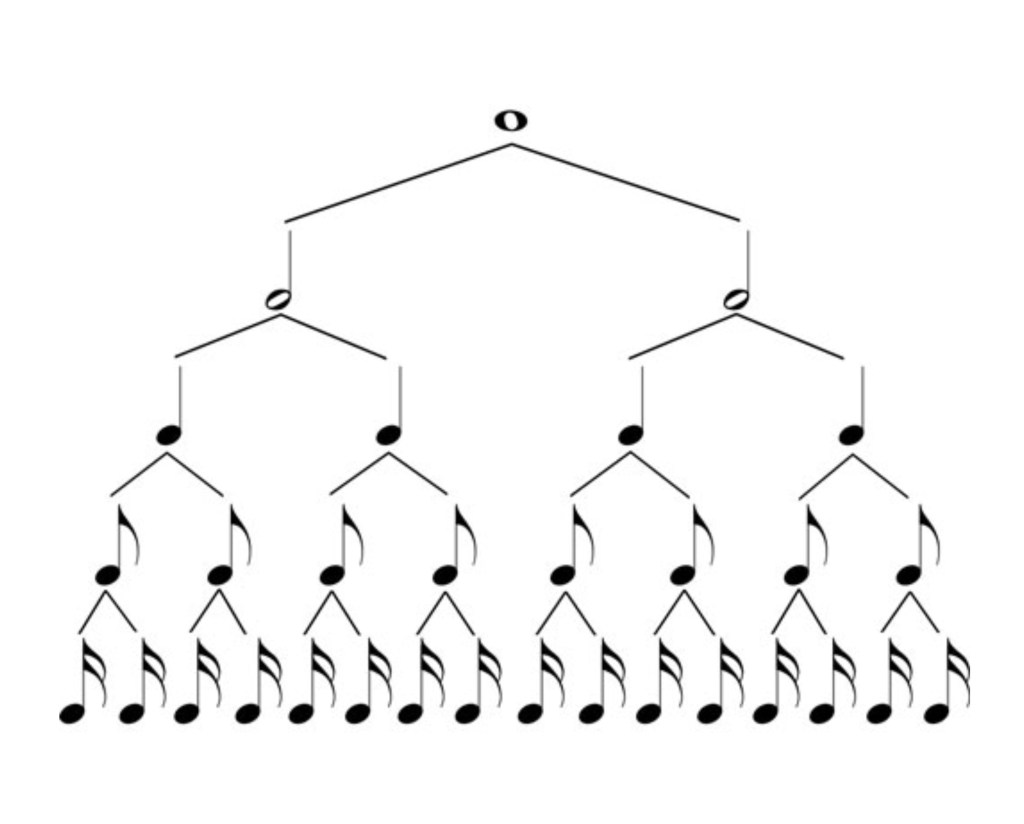
Note Value
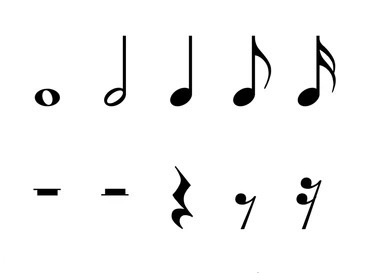
In each subsequent row the note duration is halved. The note value at the top is semibreve or whole note, 1 unit. This is equal to 2 minims shown in the row below. One minim (1/2 note) is equal to 2 crotchets. One crotchet (1/4 note) is equal to 2 quavers. One quaver (1/8 note) is double the length of a semiquaver (1/16 note).
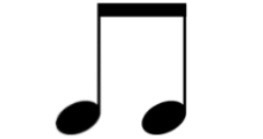
When several quavers are written together they are joined up with a beam
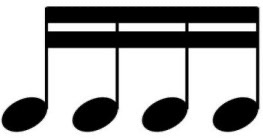
When several semiquavers are written together they are joined up with a double beam
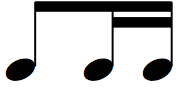
Combinations
There are further subdivisions, demisemiquavers, hemidemisemiquavers (1/32 and 1/64 notes respectively) but they are less commonly used (and a mouthful to pronounce!) Usually composers will use a higher tempo rather than using additional symbols. See tempo below.
Rests
Rest values indicate a period of silence, of not-playing and their durations are the same as that of the notes above.

Semibreve (whole note) rest

Minim (1/2 note) rest
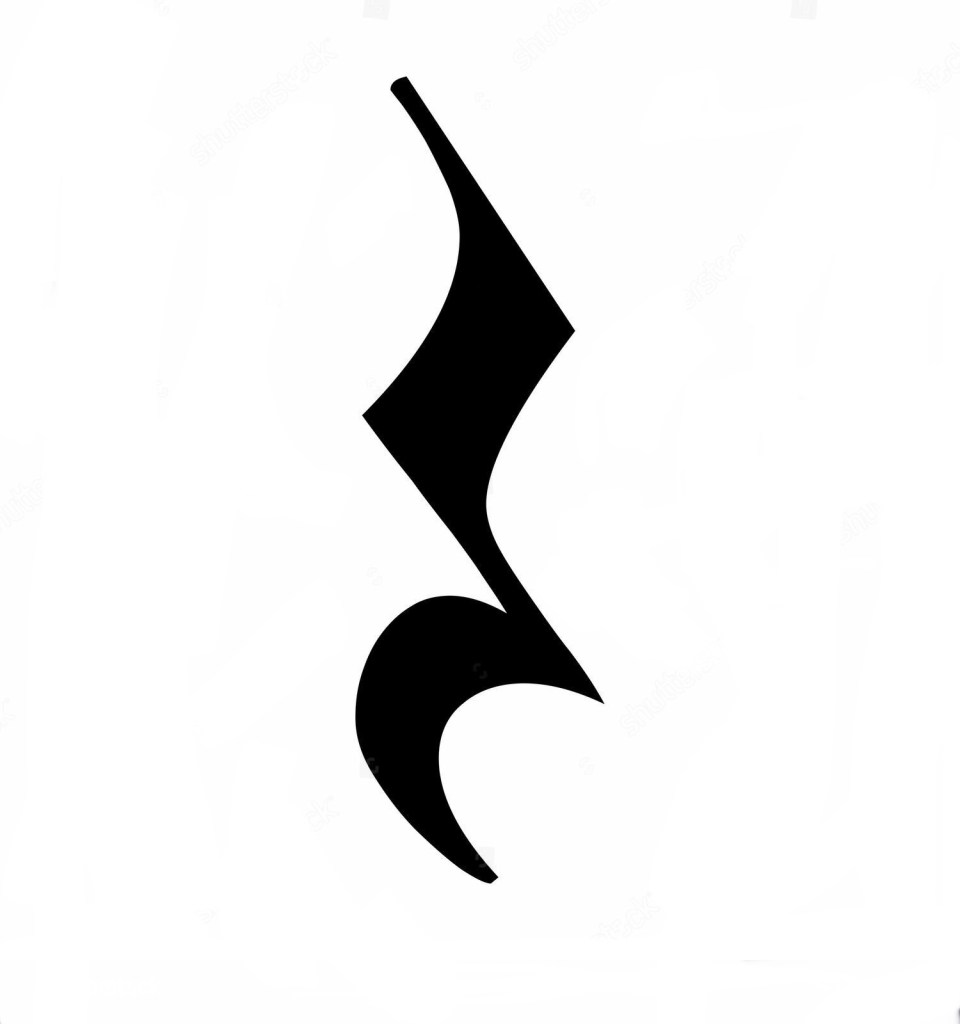
Crotchet (1/4 note) rest
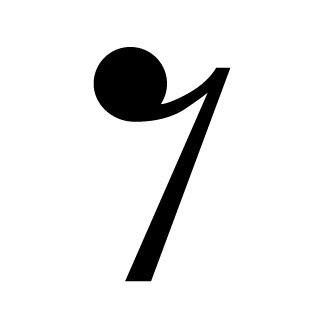
Quaver (1/8 note) rest
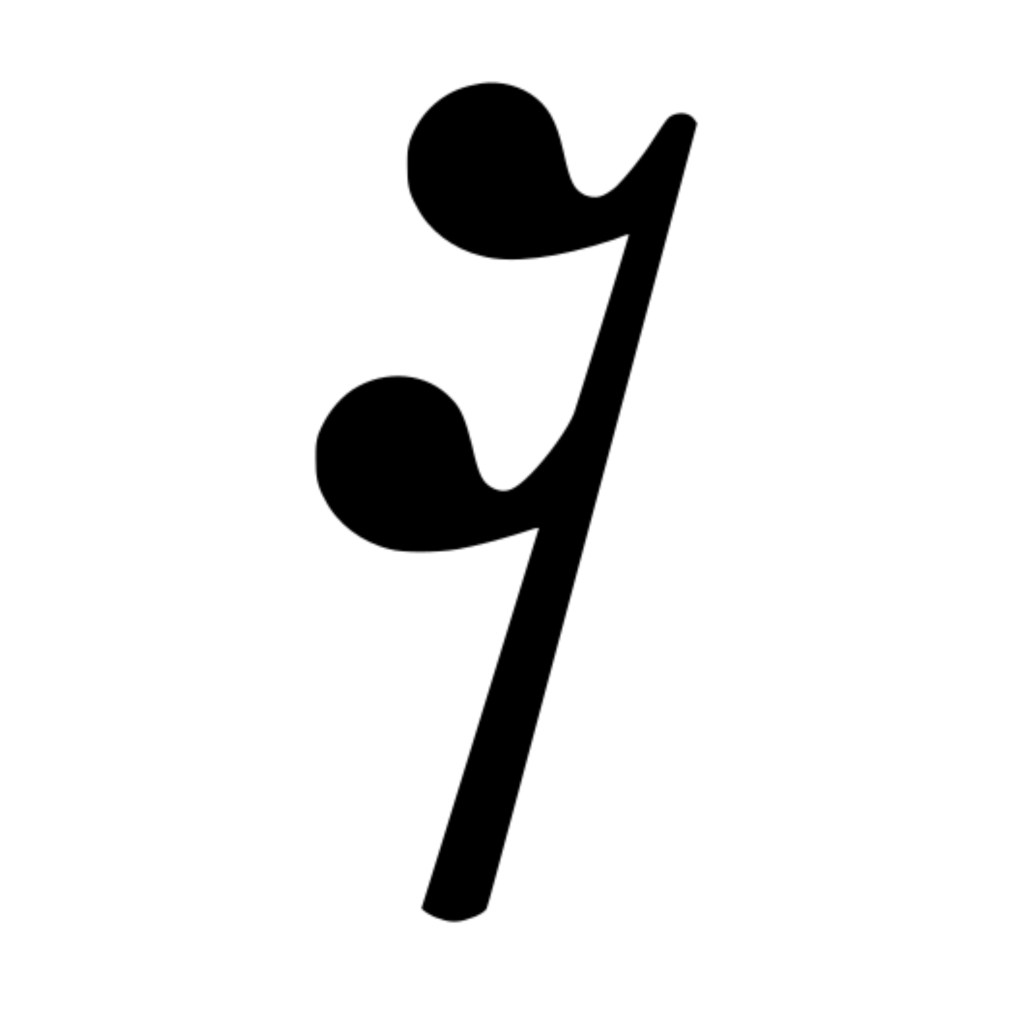
Semiquaver (1/16 note) rest
Dotted Symbols
A dot after a note or rest indicates the value of that symbol plus half of it. For instance a dotted crotchet means 1.5 times its value – a crotchet plus a quaver in duration (see below left). In the same way, a dotted quaver (below right) rest represents the sum of a quaver and a half (1/8+1/16) or 3 semiquavers’ worth of silence.

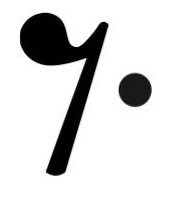
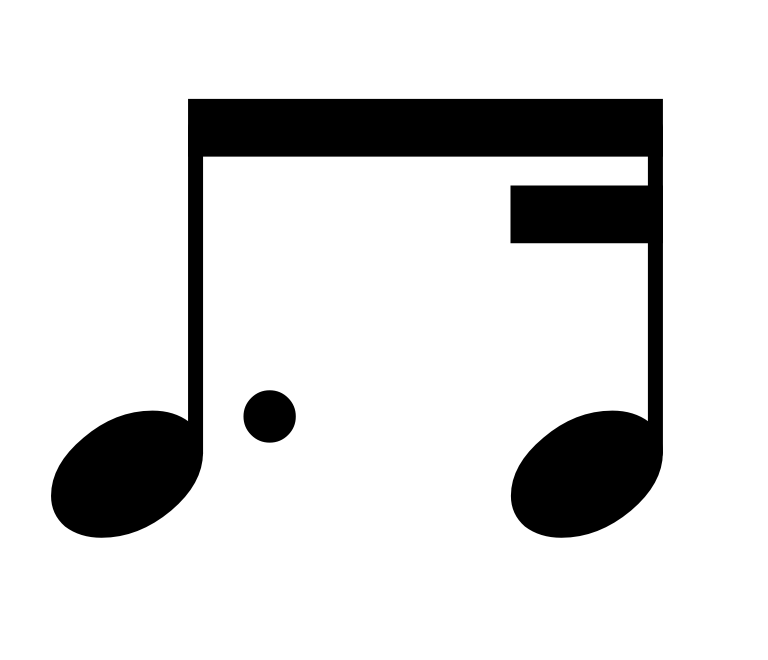
Dotted quaver + semiquaver = 2 quavers’ of time
These values shown are in relation to each other. The exact duration depends on time-signature and tempo: beat groupings the speed of playing.
Time Signature
Beats are how we measure musical time. It is the regularly recurring pulse, which provides the underlying structure of a song. Our beating hearts, a regular walking-pace and a ticking clock are examples of a beat. Metronomes and foot-tapping is often used to remain aware of the beat of a piece of music on top of which we build rhythms.
Music notation is organised into bars (or measures) which each contain the same amount of beats. Metre is the grouping of these beats and is described by time signature. The time signature of a piece tells us how to count these beats.
[IMG]
Tempo
Italian for ‘time’, tempo refers to the speed of a piece and is counted in beats per minute or bpm.
Largo, Andante, Allegro, Presto
Stave
Pitches
Clefs
 Music of Movement